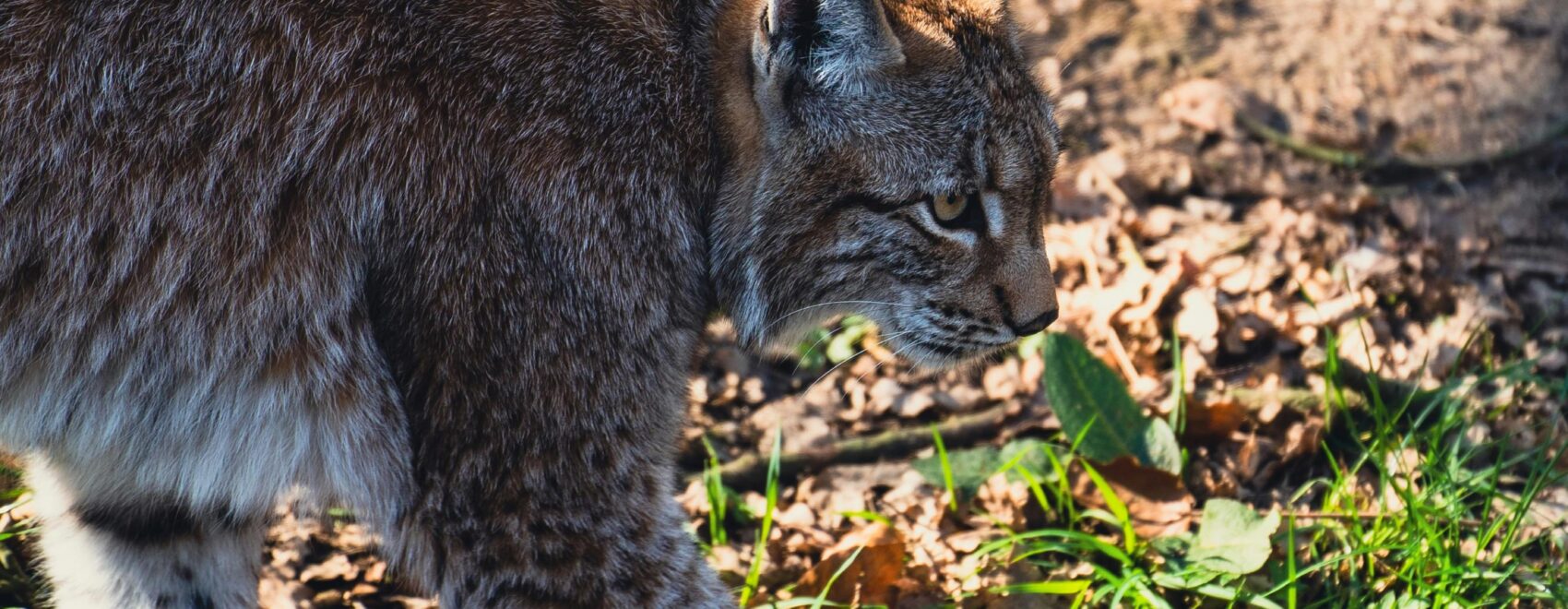
Predatory Animals
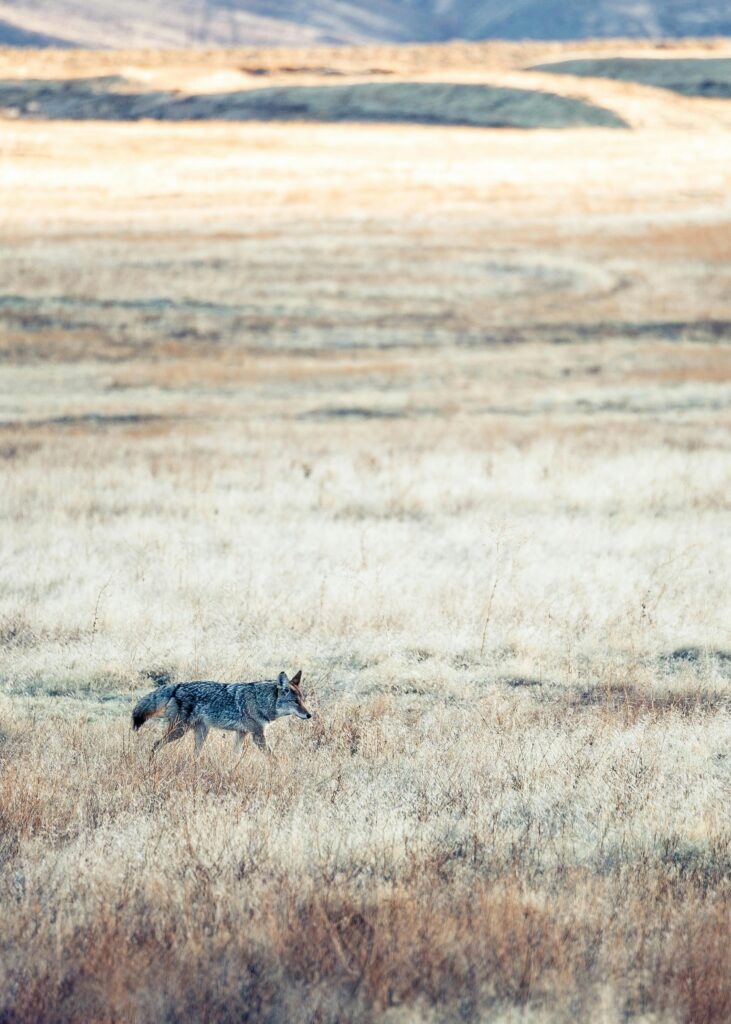
Coyote (Canis latrans)
A common, adaptable predator found throughout Arizona. Opportunistic feeder on rodents, rabbits, birds, and also scavenges.
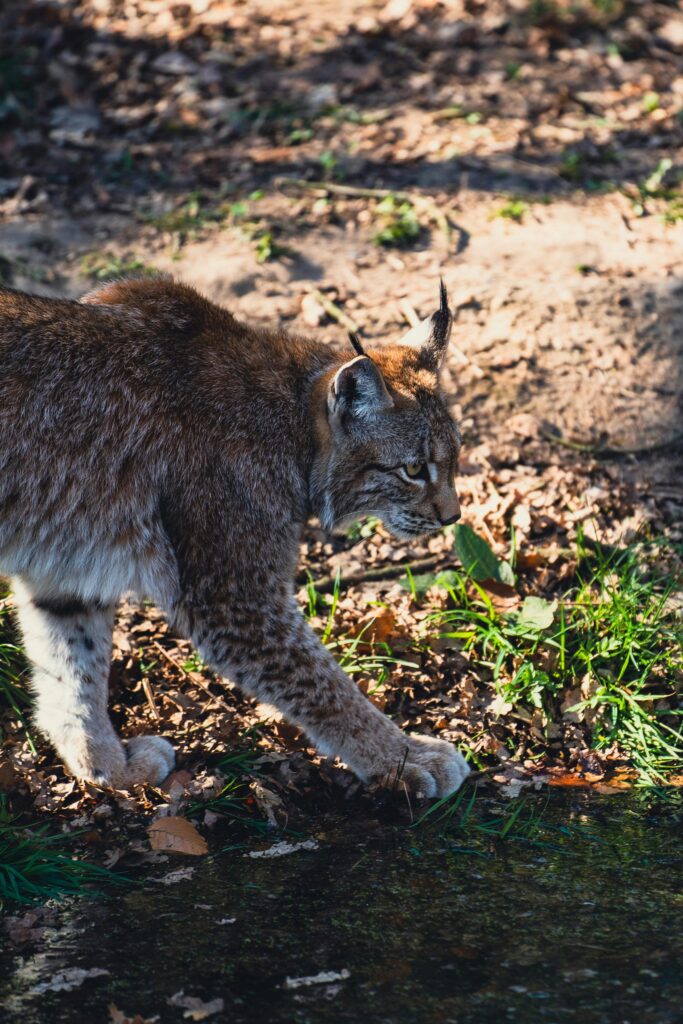
Bobcat (Lynx rufus)
Medium‑sized wild cat with spotted fur and short “bobbed” tail. Hunts rabbits, rodents, birds, and sometimes larger animals. Classified as both a predator and a furbearer.
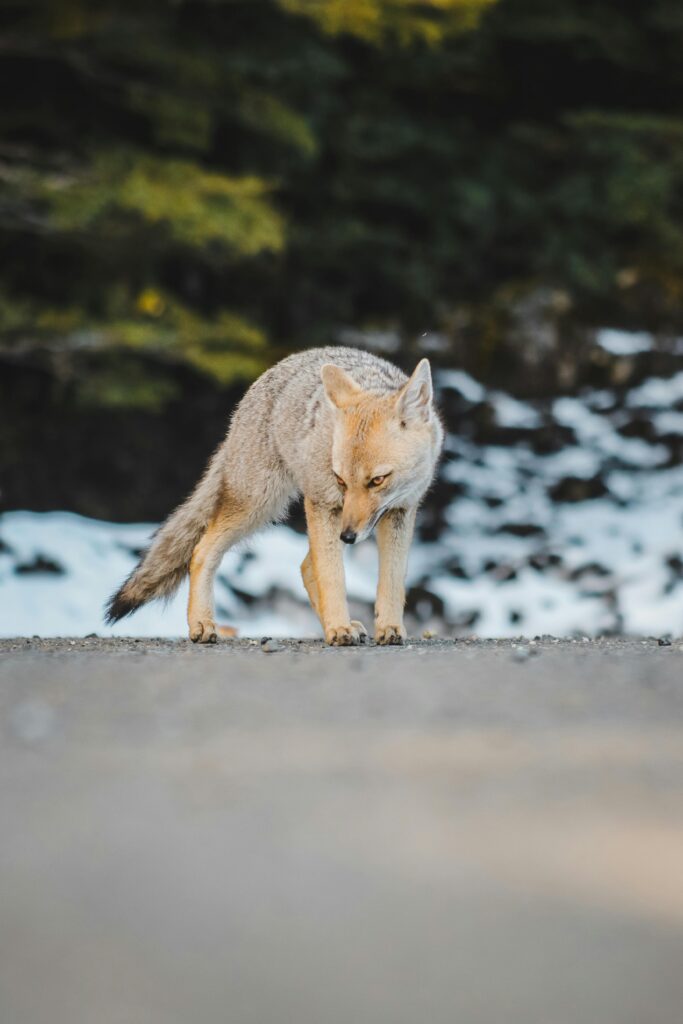
Foxes
Small canid predators (e.g., gray fox) that eat rodents, insects, and small birds. Typically nocturnal and opportunistic.
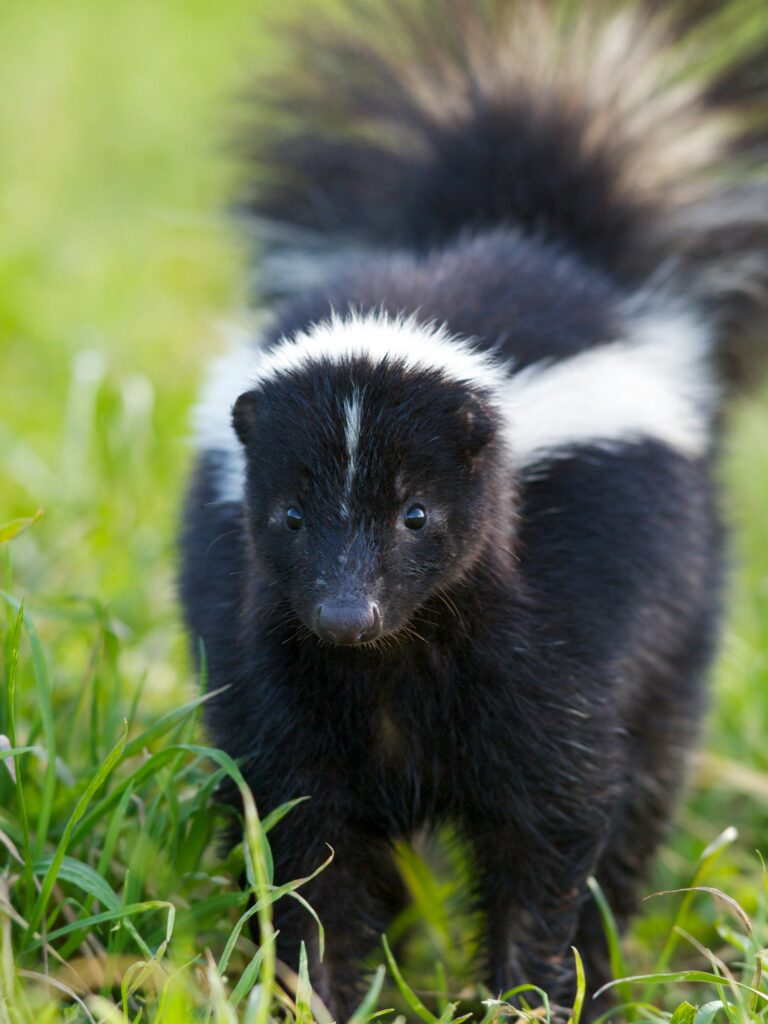
Skunks
Striped or spotted mammals that prey on insects, small rodents, eggs, and vegetation; also known for their defensive spray.
Furbearer Animals
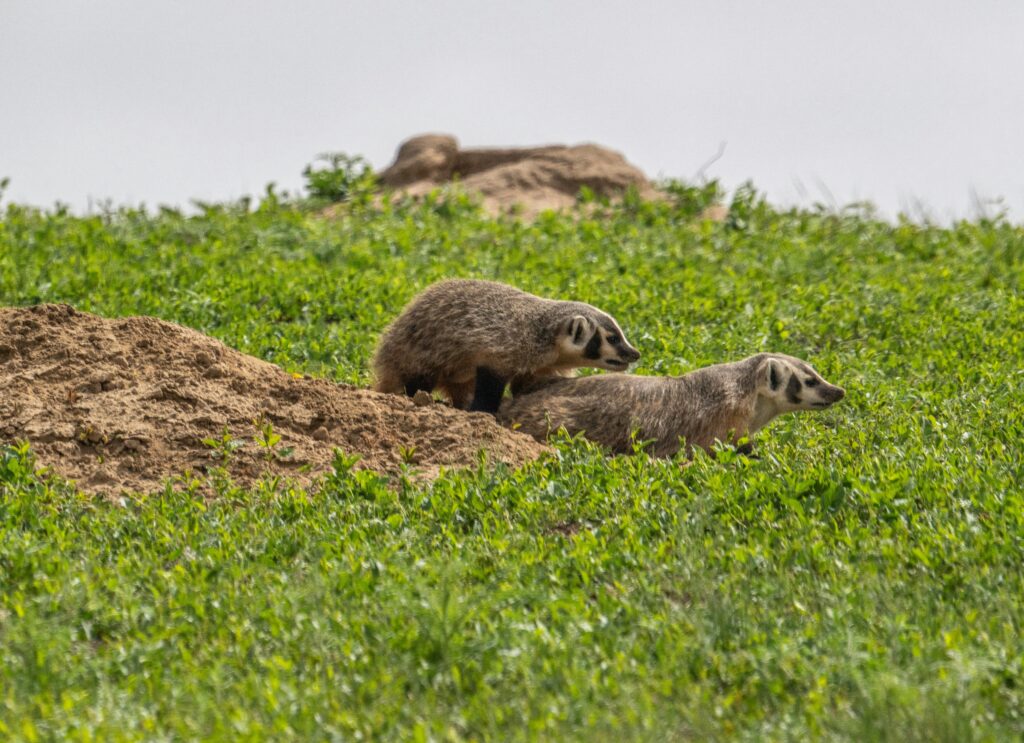
Badger
A stout, burrowing carnivore feeding on rodents and ground squirrels; known for powerful digging.
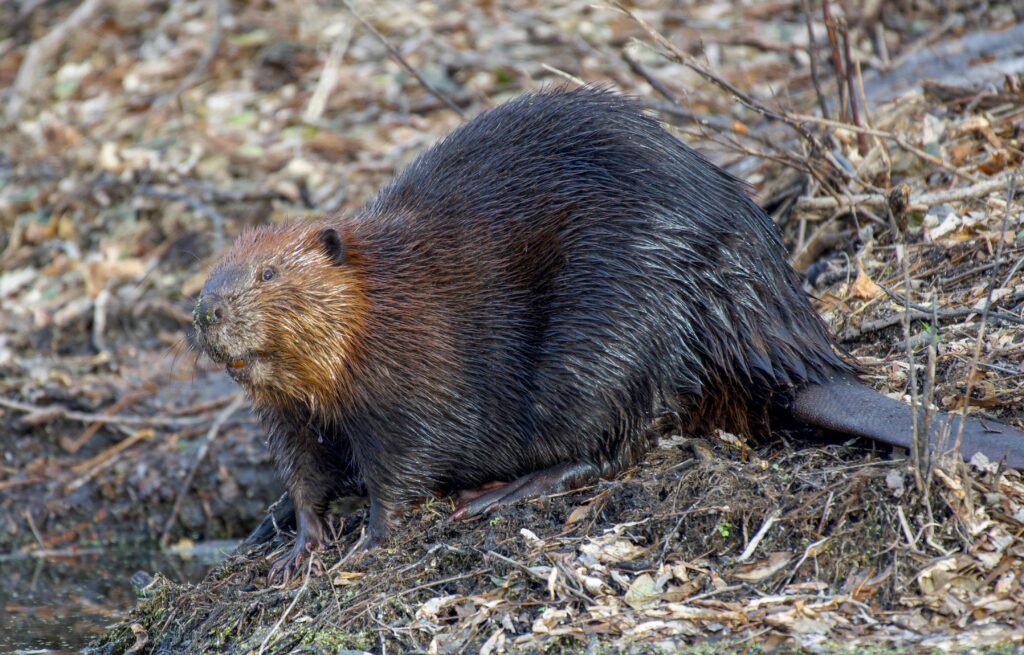
Beaver
Semi‑aquatic rodent; builds dams and lodges, eats bark and aquatic plants.
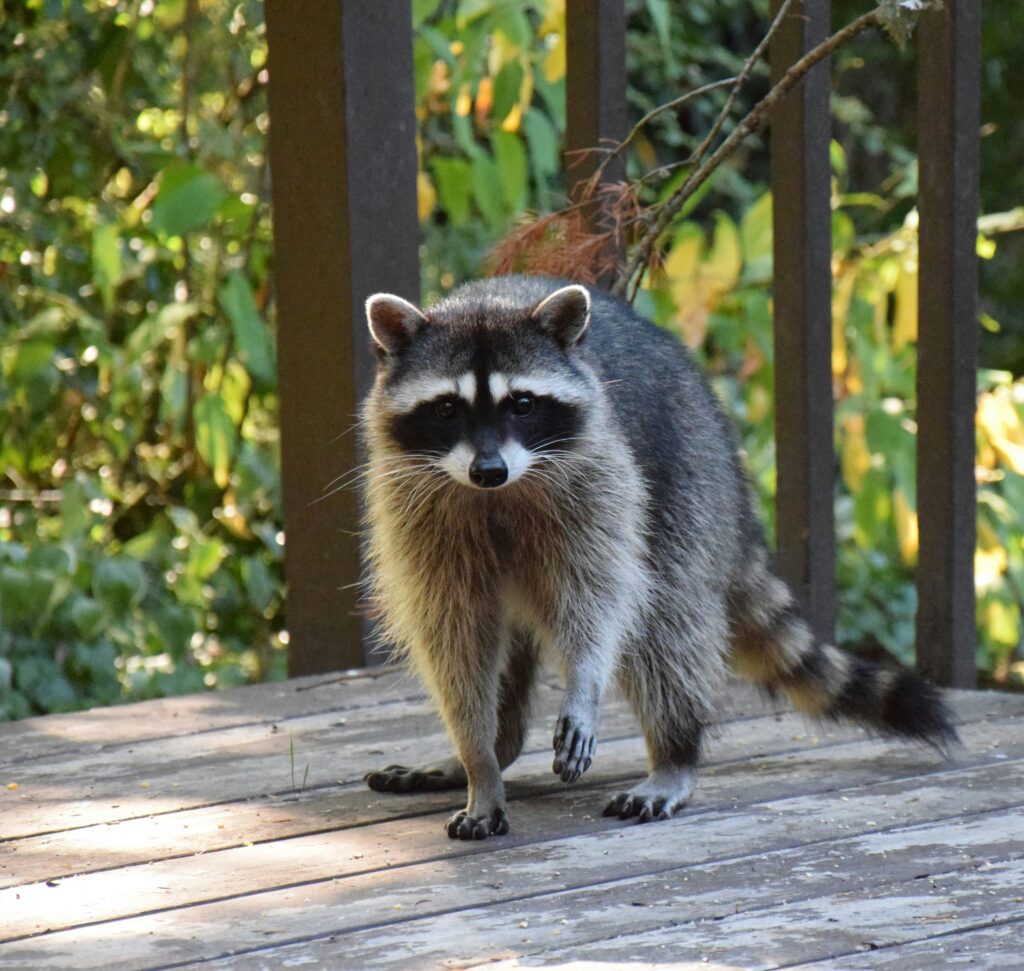
Raccoon
Nocturnal mammal with distinctive mask‑like face markings; omnivorous diet including insects and fruits.
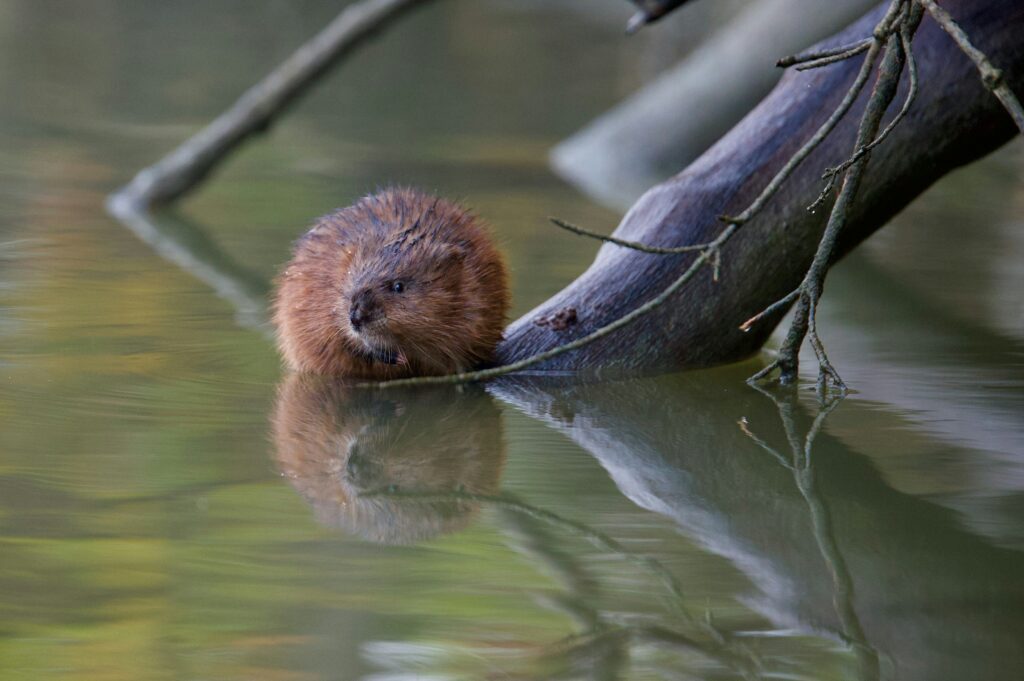
Muskrat
Smaller semi‑aquatic rodent that eats vegetation; common in waterways and marshes.
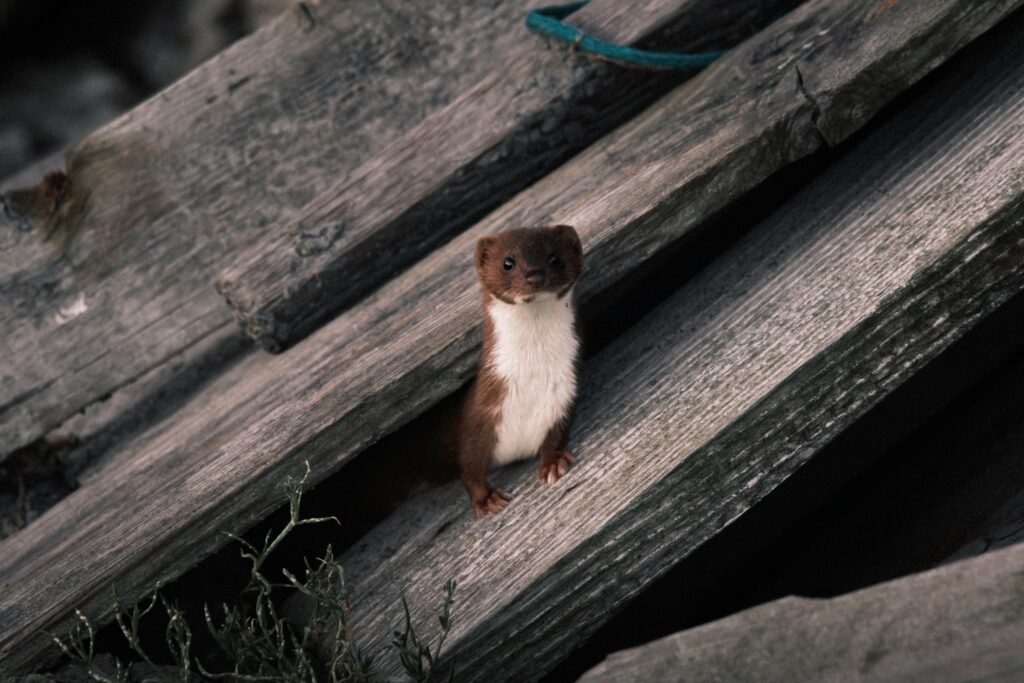
Weasel
Small stealthy predator feeding on mice, voles, and other small rodents.
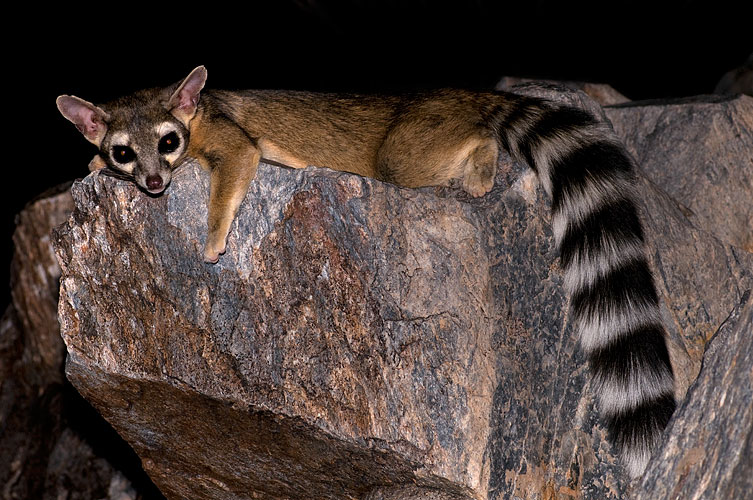
Ringtail (Ringtail Cat)
Small mammal with a long ringed tail; agile climber and opportunistic forager.
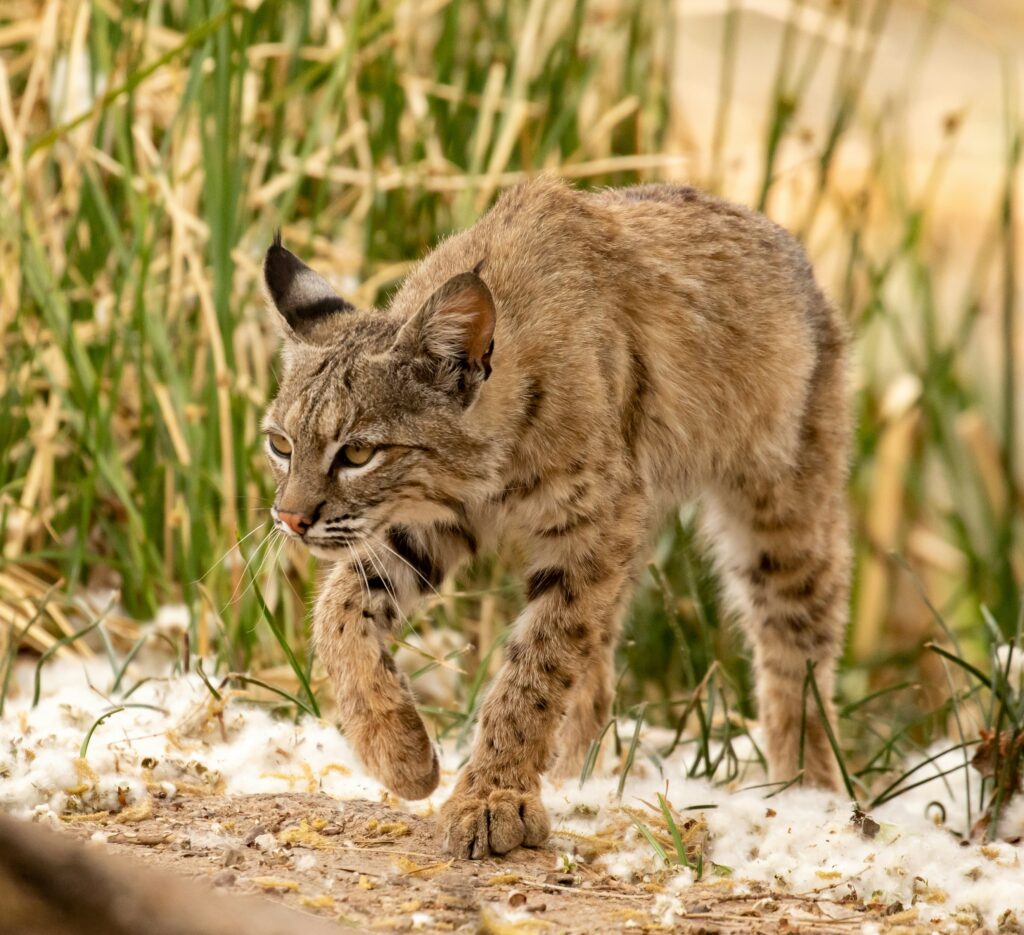
Bobcat
Also listed here because it’s legally considered both a predator and a furbearer under Arizona regulations; trapping requires proper licensing and pelt sealing.
How These Are Managed
- Arizona law defines predatory animals (coyote, bobcat, fox, skunk) and fur‑bearing animals (badger, beaver, raccoon, muskrat, otter, weasel, ringtail, and bobcat).
- Predators generally have a year‑round season with little restriction; furbearers have specific trapping seasons and licensing requirements.